Finding reliable work can be challenging, especially in today’s competitive job market. Walmart jobs often stand out, particularly for those interested in retail or logistics roles.
While Walmart is primarily associated with North America, there’s interest from Spanish jobseekers keen to understand what opportunities are available and what a career in this sector might actually be like.



This article is aimed at individuals in Spain considering a path in retail operations or supply chain.
If steady income, clear advancement prospects, and frontline experience sound valuable, exploring store and logistics roles at a company like Walmart might be worthwhile. Here’s what you can expect and how these opportunities could fit various career plans.
Why Consider Walmart Jobs for Career Development?
Many job seekers are drawn to the idea of working in a large retail environment. Retail chains like Walmart, where available, frequently offer structured growth and job stability.
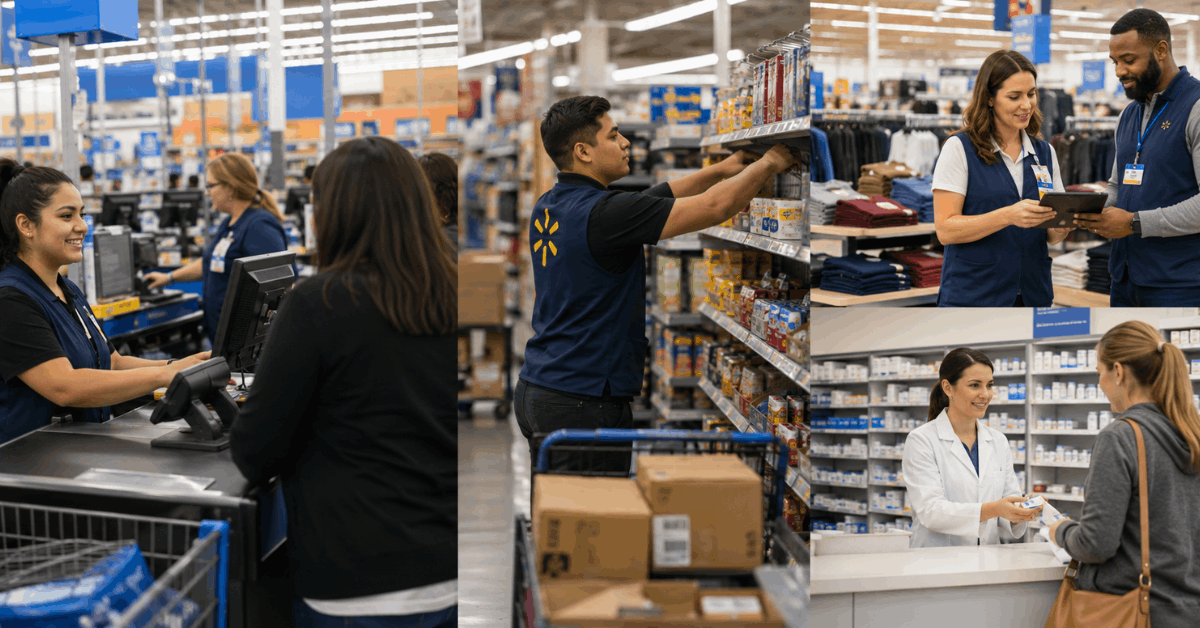
The company’s size often means a diverse range of positions, from basic entry-level roles to skilled logistics, warehousing, and management opportunities.
Young professionals, recent graduates, and people seeking career change often find this appealing.
Some are motivated by the development pathways—others by flexible schedules or employee benefits. Both can contribute to an overall sense of security and progression that not every retail employer provides.
Types of Walmart Store Jobs Available
Within a big-box retailer such as Walmart, store jobs tend to break into several common categories. The job roles differ depending on the store format and local needs, but certain positions come up frequently.
Customer Service Associate
One of the most common entry points is the customer service associate or cashier. This role involves assisting shoppers, processing transactions, and answering product questions.
Comfort with people and patience can go a long way here, even if the day-to-day sometimes feels repetitive.
Stocker and Merchandiser
These employees keep shelves organized and well-stocked. It might not seem glamorous, but merchandising roles ensure that products are easy to find and that the store remains attractive to shoppers. For someone detail-oriented, this could be a low-stress entry point.
Department Supervisor
Supervisory roles, though requiring prior experience, offer more responsibility—overseeing sections like electronics, clothing, or groceries. Leadership, scheduling, and training tasks give supervisors a hands-on education in retail management.
Specialty and Seasonal Roles
Depending on the market, there could be pharmacy technicians, electronics specialists, or roles specific to holiday periods. Such positions sometimes appeal to those with niche skills or who value temporary or part-time arrangement.
Walmart Logistics Opportunities for Steady Employment
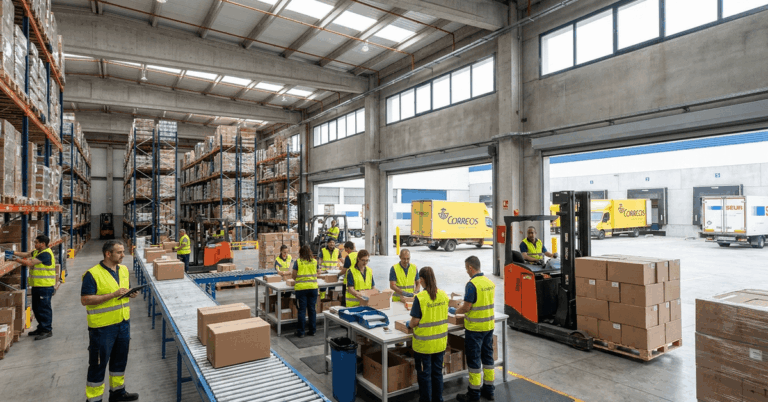
The logistics side of Walmart supports store operations. From distribution centers to last-mile delivery networks, this segment is essential.
It’s a practical path for people who prefer behind-the-scenes environments, enjoy organization, or like working with technology and vehicles.
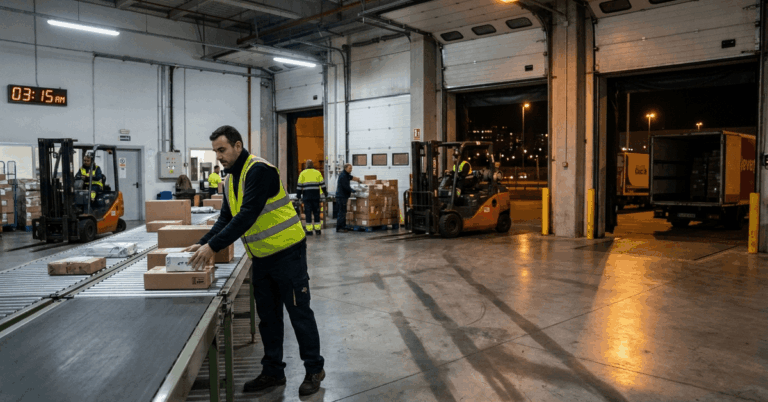
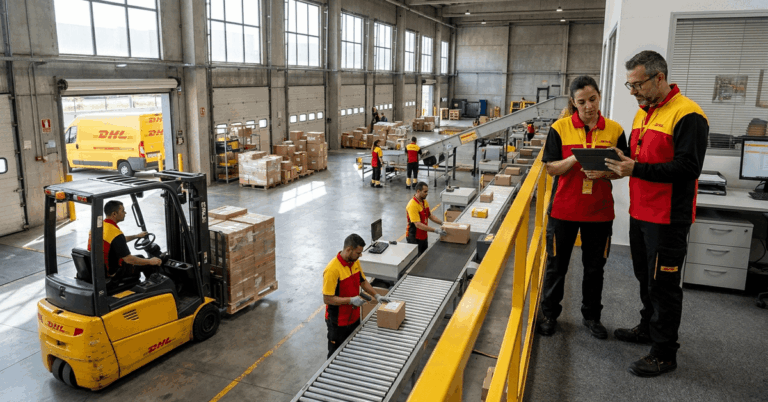
Warehouse Associate
Warehouse workers handle receiving, storing, and packing inventory. There’s a technical aspect to the job, involving scanning equipment and sometimes forklifts.
Physically, these roles can be demanding, but they also tend to offer shift flexibility and overtime potential.
Inventory Control Specialist
In logistics, keeping track of goods is crucial. Inventory specialists help ensure correct stock levels using digital systems. There’s often a mix of desk-based planning and on-the-floor checks—a balance that some find especially satisfying.
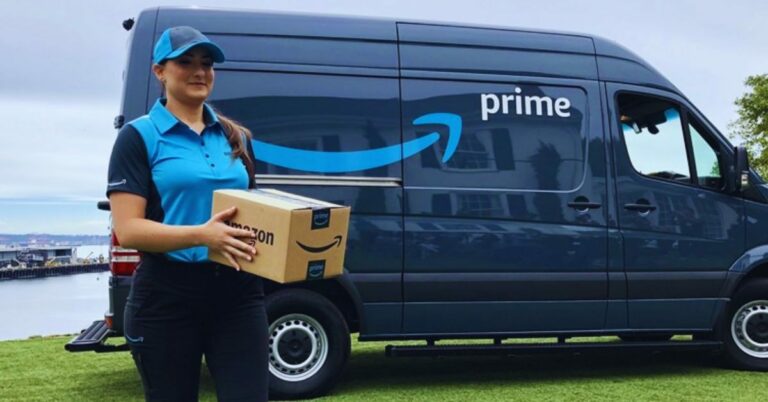
Transportation and Delivery
Drivers and logistics coordinators keep the flow of goods moving. These jobs suit those who enjoy being on the road or working on scheduling and route optimization. The technical requirements can be stricter; commercial driving licenses may be needed.
Benefits and Compensation at Major Retailers
It’s natural to wonder about compensation and work-life balance. While pay rates fluctuate across regions and roles, large retailers like Walmart tend to offer market-competitive wages.
There’s often an added layer of perks: health coverage, store discounts, paid time off, and, in some cases, tuition support or training programs.
One might notice differences between part-time and full-time eligibility for benefits. For those committed to a long-term retail or logistics career, moving up to full-time status or management usually means expanded benefits and higher pay bands.
Development and Training Programs
Walmart and comparable employers invest in staff training—from customer service basics to specialized logistics certifications.
Entry-level workers can gain soft skills (communication, problem-solving), while seasoned employees may attend sessions on leadership or operations management.
Typical Requirements for Store and Logistics Positions
Most entry-level positions require a secondary education diploma or equivalent. Some warehouse or driving roles call for licenses or physical fitness. Communication, professionalism, and teamwork are recurring criteria across nearly all postings.
- Minimum age (usually 18+)
- Basic computer or cash register skills
- Ability to work flexible schedules (weekends, evenings)
- Physical stamina (lifting, standing for long periods)
- For drivers: Valid license and safe driving record
Experience is helpful but not mandatory for entry-level spots, making these jobs accessible for many first-time workers, students, or anyone easing back into the job market.
Application Process and What to Expect
The application process for Walmart and similar companies is generally digital-first. Prospective employees typically submit an online application through the firm’s official careers page or job boards. The process may include skills assessments or video interviews.
After application, an assessment or phone screening may follow. For some logistics or supervisor roles, expect background checks or practical knowledge evaluations.
Orientation and training come before the official start date, ensuring all staff have a basic grounding in company standards.
Growth Prospects and Internal Mobility
One of the notable aspects of large retailers is their tendency to promote from within. Employees who start on the sales floor or warehouse floor sometimes end up in management roles within a few years.
There’s a defined structure for advancement, especially for those willing to relocate or transition between departments (say, from store to logistics or vice versa).
Pathways into store management, logistics coordination, and even corporate merchandising are possible.
For many, simply having steady access to full-time hours is already a big advantage, but there’s scope for much more if long-term progression interests you.

Legal and Tax Considerations for Retail Employees in Spain
Employment law in Spain strongly protects worker rights. Most store and logistics jobs will be offered on a fixed-term or indefinite contract.
These contracts come with set probation periods, paid leave, and obligatory contributions to national insurance, pensions, and unemployment coverage.
Payroll taxes and social security are automatically deducted. It’s also important to know your rights regarding work breaks, reasonable accommodation, and overtime.
If any uncertainty arises, reaching out to a labor advisor or referencing the Spanish Ministry of Labor’s official guidelines is recommended for clarity.
Unions and Collective Bargaining
Retail workers in Spain may have union representation. This can be a helpful resource for employees seeking advice about work conditions, salary progression, or grievances.
Current Trends and the Future of Retail and Logistics Careers
The world of retail isn’t immune to change. Technology, online shopping trends, and sustainability priorities have been shaking up both store and logistics work in recent years.
For example, automated warehouse tools and e-commerce distribution changes now mean some roles focus more on tech proficiency than ever before.
Still, human staff remain crucial. Personalized service, adaptability, and hands-on problem-solving are valued skills—skills that can’t be completely replaced by machines.
Logistics roles, in particular, are forecast to grow in coming years as online sales channels expand across Europe, including Spain.
Conclusion
Walmart-style retail and logistics jobs can be practical options for people seeking steady work, structured training, and possible career growth.
Common opportunities include customer service, stocking, merchandising, warehouse work, inventory control, delivery, and supervisory roles.
Applicants should review job requirements, benefits, contract terms, schedules, and legal protections before accepting any offer.
With preparation and realistic expectations, retail and logistics roles can provide useful experience and a path toward long-term career development.