Signing up for Walmart Spark feels fast. Fifteen minutes, a background check, and the app hits your phone. But earning real money on this platform takes more strategy than the signup page suggests.
Every gig driver article says the same thing: “be flexible, track your miles, and tips will come.” That advice sounds harmless until a Walmart Spark driver burns a full tank running $9 orders across three zip codes.


Spark operates differently from DoorDash or Instacart in ways that change how much lands in your pocket each week. The order types, the bonus structures, and the tax traps all have quirks that other platforms don’t share.
How Walmart Spark Delivery Works Day to Day
The Spark Driver app connects drivers to Walmart stores and online customers who order groceries or retail items.
Drivers receive offers, accept the ones that make sense, pick up from the store, and deliver to a customer’s door. Simple enough on paper.
But the daily grind splits into two very different experiences depending on the order type that comes through.
Pickup-Only Orders vs. Shopping Orders on Spark
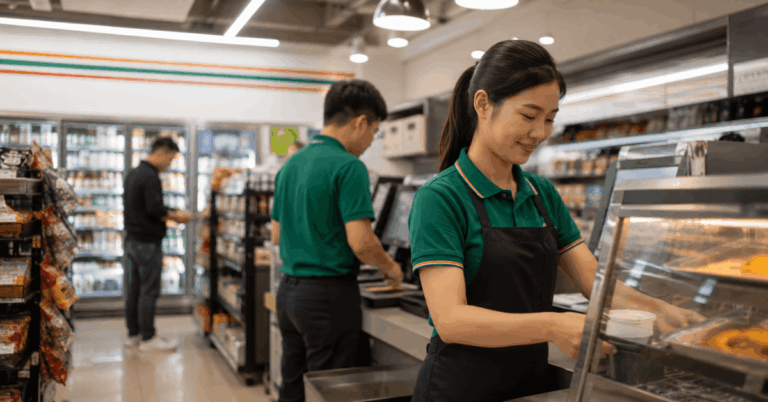
Pickup-only orders mean Walmart employees have already bagged everything. A driver walks in, grabs the bags from the staging area, and drives straight to the customer. Time spent inside the store: maybe five minutes.

Shopping orders (called “shop and deliver”) require the driver to walk the aisles, pick items, scan barcodes, and bag the order themselves. Time inside the store: anywhere from 20 to 45 minutes depending on the list size.
The pay difference between these two order types matters more than most Spark guides mention. A $15 shop-and-deliver order that takes 50 minutes from acceptance to doorstep works out to around $18/hour before expenses.
That same $15 as a pickup-only order, completed in 25 minutes total, pushes closer to $36/hour.
I would prioritize pickup-only orders on Spark over shop-and-deliver batches, because the per-hour math almost always favors fewer minutes inside the store.
The Batch and Stack Order Advantage
Stacking multiple deliveries into a single trip cuts down on dead miles between jobs. Double or triple batches pop up during busy windows, and grabbing them means less time driving empty.
Not every shift offers stacked orders. Some days the app sends nothing but singles. Still, watching for multi-order batches during peak hours (weekends, evenings, and holidays) can bump an otherwise average shift into a profitable one.
Walmart Spark Driver Earnings: Realistic Numbers
Earning claims across the internet range wildly. Some drivers post $1,000 weeks on Reddit. Others complain about $80 in a full Saturday. The actual number depends on market size, order volume, time invested, and whether tips hit.
The raw earning breakdown from active Spark drivers tends to fall into a few brackets based on commitment level and location.
Weekly Earning Ranges for Spark Drivers
A few typical ranges reported by drivers across different markets:
- Busy urban areas (full-time hours): $700 to $1,000 per week
- Suburban or rural markets (part-time): $300 to $600 per week
- Slow markets or casual driving: $100 to $250 per week
These numbers are gross earnings before expenses. Gas, car maintenance, phone data, and self-employment taxes all come out of that total. A driver grossing $800 a week might net closer to $550 after fuel and quarterly tax estimates.
Base Pay, Tips, and Bonus Incentives
Base pay on each Spark order depends on distance, item count, and estimated trip time. Per-trip payouts typically range from $8 to $20 before tips.
Tips can change everything. Repeat customers and holiday deliveries tend to tip better. A polite delivery confirmation text (not a novel, just a quick heads-up) has been reported to increase tip frequency. Small gestures land better than scripted messages.
Spark also runs bonus incentives tied to order volume or specific time windows.
These rotate and aren’t always predictable, but during peak seasons like Thanksgiving week or back-to-school, bonus payouts can add $50 to $150 on top of regular earnings.
Why Multi-Apping During Spark Shifts Can Backfire
The standard gig economy advice says to run multiple apps at once: DoorDash, Instacart, Uber Eats, and Spark all open simultaneously. Pick whichever order pays best at any given moment. Sounds logical.
I think multi-apping during active Spark shifts is a mistake for a specific reason: Spark’s late delivery penalties hit harder than DoorDash or Instacart.
A late Spark delivery tanks your on-time rating, which directly affects the quality of future offers the app sends your way. Juggling a DoorDash pickup while a Spark order sits in the trunk creates exactly that situation.
How Spark’s Rating System Punishes Delays
Spark weighs on-time delivery and customer ratings when deciding which drivers get first access to the best-paying orders. A driver running a 95% on-time rate sees higher-value batches than someone sitting at 88%.
Other platforms are more forgiving about timing. DoorDash, for example, builds buffer time into delivery windows. Spark’s windows are tighter. Running two apps means one of them suffers, and on Spark, that suffering costs future income.
The smarter play: use DoorDash or Instacart to fill gaps between Spark shifts, not during them. Keep the apps separate so ratings stay clean on both.
Getting Started as a Walmart Spark Driver in 2026
The signup process takes about 15 to 30 minutes. Once approved through the background check, the Spark Driver app opens up with available offers in the local market.
Approval requirements are straightforward compared to some delivery platforms. No special vehicle wraps, no commercial license, no minimum hours per week.
Spark Driver Requirements Checklist
Everything needed to get approved:
- Valid US driver’s license
- Proof of auto insurance and vehicle registration
- Smartphone capable of running the Spark Driver app
- Clear background check (criminal and driving records)
- Vehicle meeting minimum platform standards (varies slightly by market)
The Insurance Gap Nobody Mentions Early Enough
Standard personal auto insurance policies do not cover commercial delivery activity. A fender bender during a Spark run could leave a driver personally liable if the insurer discovers the car was being used for paid delivery at the time of the accident.
Some drivers add a rideshare endorsement to their existing policy. Others buy hybrid commercial-personal policies. Either way, checking with an insurer before the first delivery beats finding out the hard way during a claim.
The Insurance Information Institute has a breakdown of coverage types that applies to gig drivers.
Spark Driver Taxes: The Trap That Hits in April
Walmart Spark drivers are independent contractors. No taxes get withheld from any payout. That means the full gross amount hits the bank account, and the tax bill arrives later.
New gig drivers often spend the first few months treating every dollar as take-home pay. Then Q1 tax estimates come due, and the math gets uncomfortable fast.
Mileage Tracking Needs to Start on Day One
The IRS mileage deduction is the single biggest tax break for delivery drivers. Every mile driven for Spark (including the drive to the store, between deliveries, and back home) can be deducted at the standard mileage rate.
But the deduction only works with records. Apps like MileIQ or QuickBooks Self-Employed automate mileage logging. Starting these tools on the first Spark shift means a complete log exists when filing season arrives.
Waiting until February to reconstruct six months of driving is a headache that leads to missed deductions.
Keeping fuel receipts, maintenance invoices, and phone bill records matters too. These expenses reduce taxable income, and ignoring them means paying more than necessary.
Walmart Spark vs. DoorDash vs. Instacart in 2026
Drivers shopping for the right gig platform often compare Spark against DoorDash and Instacart. Each has trade-offs worth weighing.
| Feature | Walmart Spark | DoorDash | Instacart |
|---|---|---|---|
| Order types | Pickup-only and shop-and-deliver | Restaurant and retail delivery | Grocery shopping and delivery |
| Typical per-trip pay | $8 to $20 before tips | $6 to $15 before tips | $7 to $18 before tips |
| Tipping culture | Moderate, improves with repeat customers | Varies widely by order type | Generally higher on large grocery orders |
| Schedule flexibility | Full on-demand, no scheduled blocks required | On-demand plus scheduled dashes | On-demand plus scheduled batches |
| Rating sensitivity | High: on-time rating affects future offer quality | Moderate | Moderate to high |
Spark’s biggest edge is access to Walmart’s massive order volume. The trade-off is tighter timing expectations and fewer restaurant delivery options compared to DoorDash.
Questions People Ask About Walmart Spark Drivers
Q: Can Walmart Spark drivers choose which orders to accept? Yes. Spark sends offers to the app, and drivers decide which to accept or decline. Declining too many in a row may temporarily reduce offer frequency, so being selective works best during busy hours when replacement offers come quickly.
Q: Do Walmart Spark drivers get paid daily or weekly? Payouts happen weekly through direct deposit. Some drivers report that Spark has offered faster payout options in certain markets, but the standard cadence is weekly. Checking the app’s payment settings after approval shows what’s available locally.
Q: Is Spark available in all US states? Spark operates in hundreds of cities across the US, but coverage isn’t universal. Rural areas and smaller towns may not have active Spark zones yet. The Spark Driver app shows availability by zip code during signup.
Q: Do Spark drivers need a specific type of car? The vehicle needs to meet basic platform standards: working condition, clean interior, and enough cargo space for grocery orders. No commercial plates or special vehicle types are required. SUVs and sedans both work fine.
Q: How do Spark driver bonuses work? Bonuses rotate based on local demand. They might reward completing a set number of deliveries during a specific window or covering underserved time slots. Bonus structures change frequently, so checking the app’s incentive tab each week is the best way to stay current.
Conclusion
Walmart Spark driving in 2026 rewards drivers who treat the gig like a small business, not a casual hobby. The earning potential sits in the details: order type selection, mileage tracking, and rating management.
Drivers who skip the tax prep and ignore the insurance gap pay for it months later. The platform has real money in it, but only for those willing to run the numbers before running the routes.