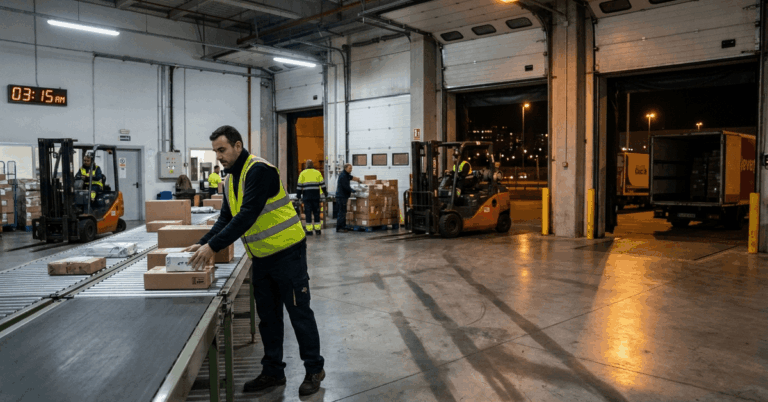
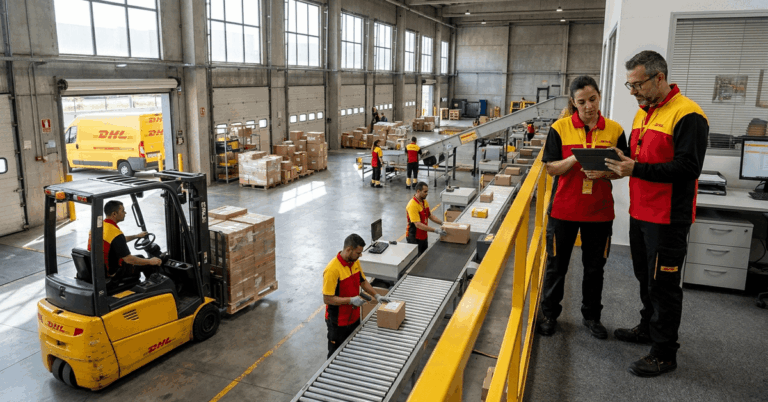
For those exploring career opportunities, warehouse and logistics jobs might be worth considering.
This sector has evolved quietly, even gaining relevance during unpredictable global events. Job seekers looking for steady income and growth potential might find more here than expected.



Many professionals are unsure about where warehouse roles start and logistics positions end. Understanding the distinct yet overlapping duties helps clear up confusion.
Whether you’re looking for physical work or a foot in the door for long-term advancement, there’s something in this field for almost everyone.
Why Choose Warehouse and Logistics Jobs?
The logistics network has expanded rapidly. More international brands rely on local hubs to distribute goods across Europe. That shift translates to substantial hiring, especially in urban centers like Madrid, Barcelona, and Valencia.
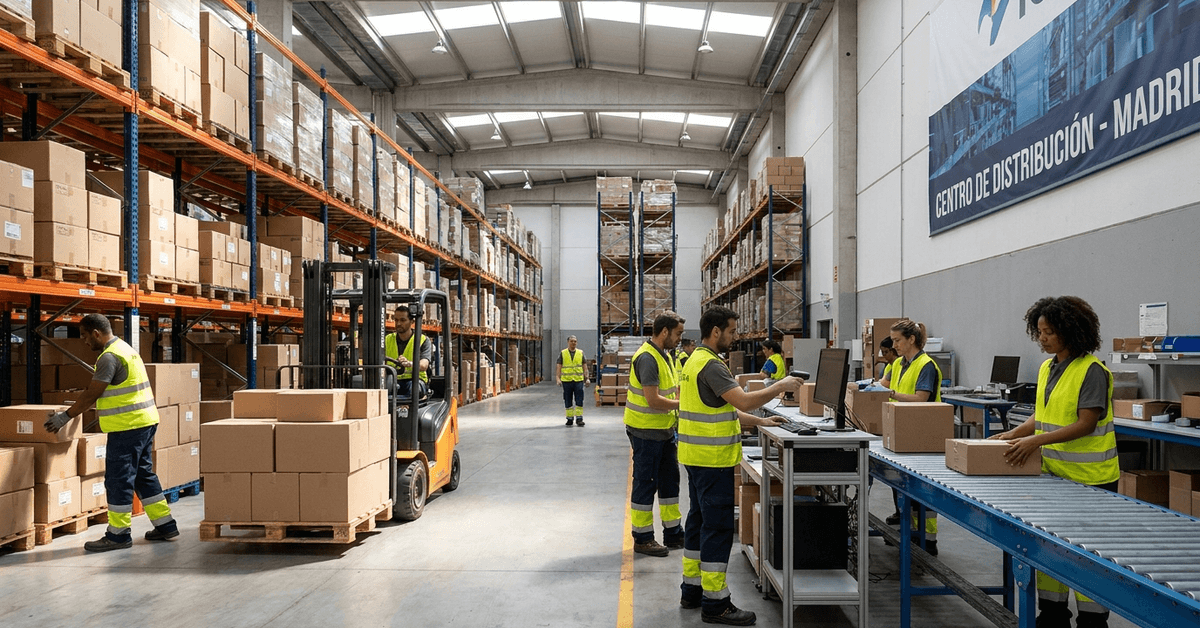
The recent rise in online shopping also means warehouses are busier than ever. Demand rarely drops, which adds job security—something not all sectors can guarantee these days. Plus, the variety of roles means there’s less monotony than you might imagine.
Economic Stability
Some industries come and go with market swings. Warehousing tends to be less affected, given the constant need for product storage and management.
For example, during global supply chain disruptions, warehouses were often among the first to hire extra workers.
Opportunities for Entry-Level and Experienced Workers
People sometimes assume you need years of experience, but many roles start with on-site training. Entry-level picking and packing positions offer a start. Those ready to advance can pursue supervisor or quality control jobs after gaining know-how.
What Types of Roles Are Available?
Within this sector, jobs go well beyond the classic image of stacking shelves or moving boxes. Here are some of the main career categories:
- Warehouse Operative (Almacenero)
- Shipping and Receiving Clerk
- Forklift Driver (Carretillero)
- Inventory Control Specialist
- Logistics Coordinator
- Dispatch Supervisor
- Returns Processor
- Customer Support/Tracking Agent
Some roles are physical, while others demand problem-solving or technology skills. It’s worth reviewing job descriptions carefully to see what matches your interests and capabilities. For a few people, experimenting with several jobs before settling is normal, and can even be helpful.
Key Skills and Typical Requirements
Most employers expect candidates to show reliability—punctuality especially stands out. Basic literacy in Spanish may be needed, but some international firms accept English for floor roles. Occasionally, physical stamina is mentioned; warehouses are busy places, after all.
Common Requirements
- Secondary school diploma or equivalent
- Legal right to work
- Physically able to lift light to medium loads
- Teamwork and willingness to learn
- For drivers: local license and, sometimes, forklift certification
Some positions offer on-the-job training, particularly those with sorting or basic picking duties. More senior jobs, such as inventory management or quality control, may require experience using warehouse management software (WMS).
How to Find and Apply for Warehouse and Logistics Jobs
The Spanish job market uses a mix of traditional and digital channels. It’s common to see roles posted both in-person at local employment centers and on digital platforms.
Popular Online Job Boards
- InfoJobs
- Indeed
- Randstad
- Adecco
- SEPE (Servicio Público de Empleo Estatal)
Building a detailed CV, listing relevant skills and availability, increases the chances of a callback. If you have international experience, even better—multinational companies value adaptability.
When to Apply
Hiring often peaks ahead of major shopping seasons—so, spring and early autumn bring more listings. For ongoing roles, many warehouses recruit year-round. Some people overlook weekend and night shifts, but these can offer premium pay rates.
Pros and Cons of Working in Spanish Warehouses
No field is without drawbacks, and logistics is no exception. Understanding both sides might help you make an informed decision.
Benefits
- Steady demand means consistent opportunities
- Plenty of room for growth and upskilling
- Often no advanced degrees needed
- On-the-job training common
- Competitive salaries for night or overtime shifts
Potential Challenges
- Shifts can be early, late, or irregular
- Some roles involve repetitive physical work
- Initial tasks may seem basic or monotonous
- Weather in unheated warehouses may be uncomfortable in winter
Some people thrive in fast-paced, hands-on jobs. Others may find stress in tight deadlines. It’s a highly personal choice. There’s sometimes confusion about advancement—that’s a fair concern, but training programs are increasingly accessible.
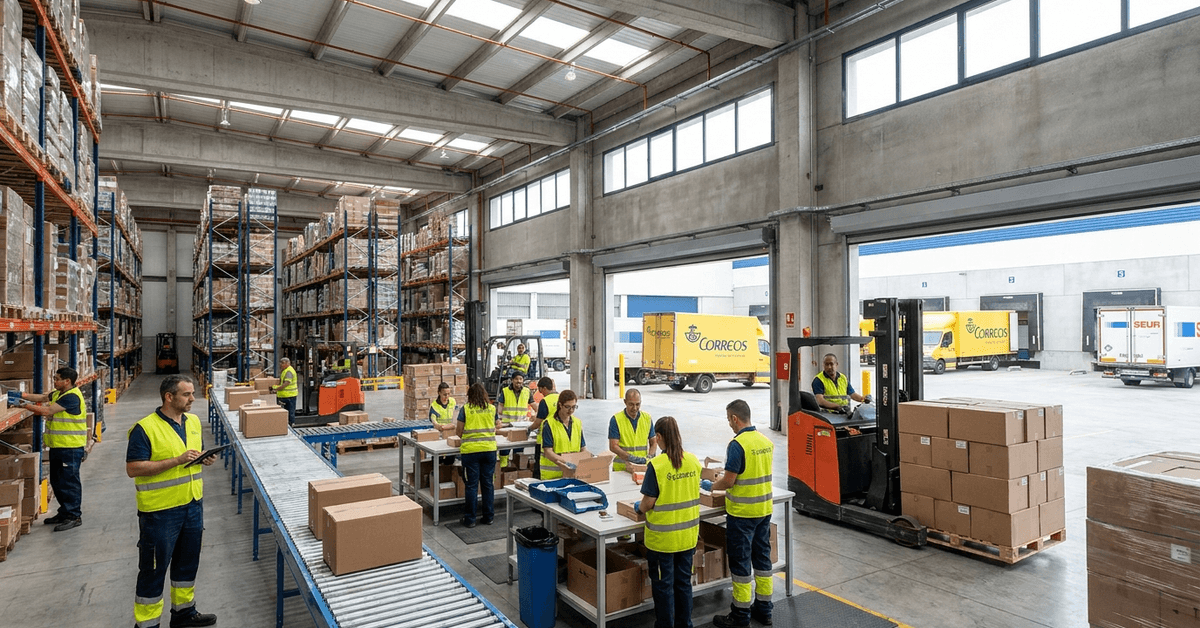
What to Expect in Pay and Working Conditions
Pay typically ranges from the Spanish minimum wage (SMI) for new hires to above-average rates for specialized roles. Shift allowances, overtime, and bonuses for high productivity add increments.
Working hours vary. Some warehouses operate 24/7, others stick to daytime schedules. Regulations set by Spanish labor law—such as rest breaks, holiday pay, and overtime—are usually observed, especially in larger companies.
Benefits Beyond Salary
- Meal vouchers
- Gym or transport discounts
- Language or skills courses
- Career mentoring
Reputable employers invest in staff retention through benefits. Some international firms have employee wellness programs or internal mobility for ambitious team members.
Growth Potential and Career Paths
One misconception: people often view warehouse work as a dead end. In fact, promotions to lead, supervisor, or even area manager are possible for those who demonstrate initiative.
Internal postings sometimes give current employees first consideration before opening jobs to outsiders.
Upskilling—taking short online courses or qualifying for new certifications—makes a big difference. Employers tend to notice workers who show interest in logistics systems, health and safety, or team coordination. That kind of effort can pay off over time.
Training Options
Numerous providers offer short courses for logistics and warehouse operations. FEDEM or Fundación Laboral are examples; local chambers of commerce sometimes subsidize training for residents. Courses may cover manual handling, digital inventory systems, and basic safety regulations.
If you’re hoping to stand out, look for classes mentioning ‘logística’ or ‘almacenamiento’ combined with certifications like CAP or PRL—these acronyms stand out to Spanish employers.
Legal Considerations and Labor Rights
Spanish labor laws protect workers’ rights robustly. Contracts—whether temporary or permanent—must spell out salary, schedule, and rest time. Social Security registration by the employer is compulsory, so check your paperwork before your first shift.
Annual leave, sick pay, and maternity/paternity leave policies are comparable to European standards. Unionization rates are relatively high in this sector, and collective bargaining has secured additional safeguards in many warehouses.
Conclusion
This path isn’t for everyone. However, many people say they appreciate the structure and predictability. Those who dislike desk jobs or who want to build practical skills for the future often settle happily into this sector.
Warehouse and logistics employment offers a remarkable blend of security, upward mobility, and the chance to join a fast-evolving industry.
Different motivations bring people here, and the variety of roles and shifts sometimes accommodates personal circumstances better than rigid office jobs.