The popularity of package delivery jobs has grown rapidly—especially with how frequently we all shop online now. Amazon has become one of the biggest delivery employers, making “Amazon delivery driver” a role many consider.
But is it a good job for you? Understanding Amazon delivery driver requirements and salary expectations may help you decide if this career path matches your goals or lifestyle.




Understanding the Role of an Amazon Delivery Driver
Drivers for Amazon are the face of the company in most neighborhoods. They deliver packages directly to customers’ doors, sometimes in city centers, other times in rural areas.
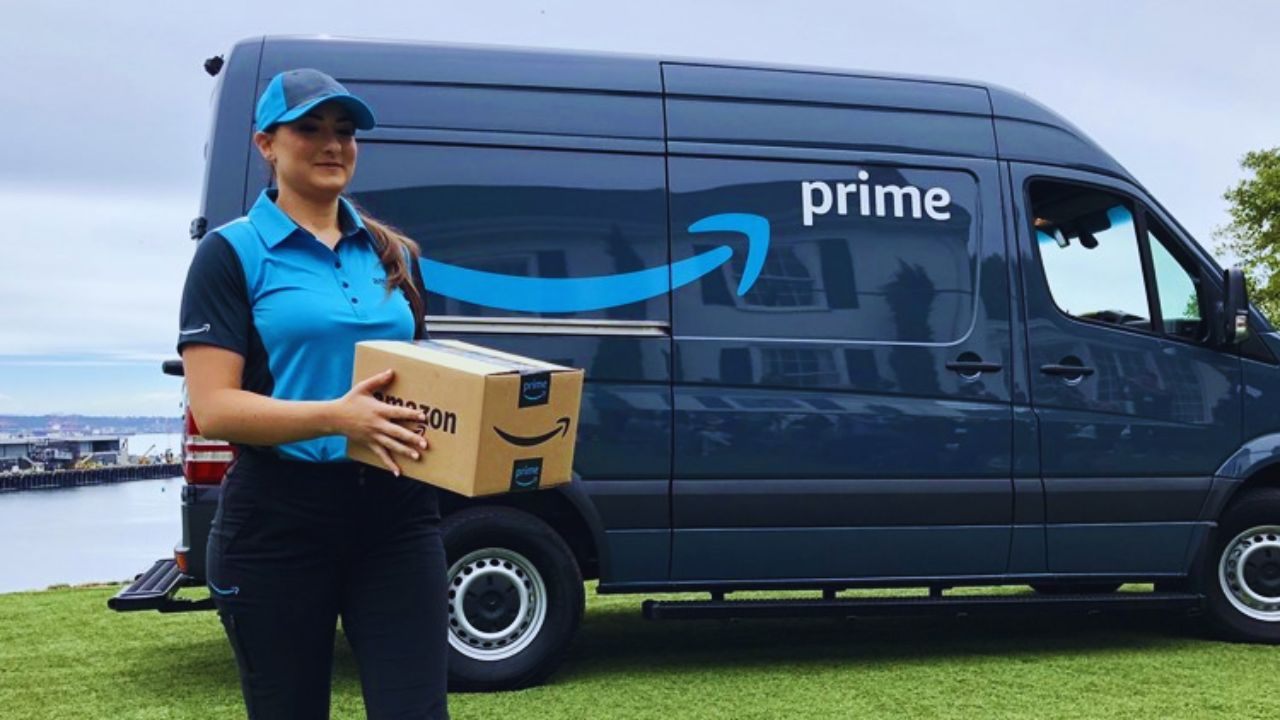
On a typical route, drivers may visit dozens of addresses each day—weather and city traffic don’t always make it easy. It’s a job that tends to suit those comfortable with a fast pace, managing physical work, and sometimes juggling unexpected challenges.
Is it strenuous? At times, yes. Yet, it offers flexibility and steady work, which appeals to many people wanting either supplemental income or a new career direction.
Key Requirements for Amazon Delivery Driver Jobs
Before anyone can start as a delivery driver for Amazon, there are several requirements—both legal and practical—to keep in mind. Different Amazon programs have slightly different paths.
The main options in most countries include being a direct employee (for Amazon Logistics) or joining Amazon Flex as an independent contractor. Requirements can shift a bit depending on which you pursue.
Minimum Age and Licensing
In general, applicants should be at least 21 years old. A valid driver’s license is required—the type (standard, commercial) depends on the vehicle size and local laws.
Some regions need a clean driving history spanning a few years. Most driving records are checked, so any suspensions or serious violations can be disqualifying.
Background Checks and Legal Eligibility
Amazon will conduct a criminal background check. This step helps Amazon meet compliance guidelines and protects customers.
Applicants must also have the legal right to work in the country of their application—proof of identification and eligibility is needed.
Physical Demands and Health Requirements
Delivery can be physically demanding. Lifting heavy packages, walking up stairs, and lots of repeated motion are part of the day.
While there’s no strict fitness test, the ability to carry 50-pound packages (sometimes more, with assistance) is typical.
Other Skills and Traits
Reliability and punctuality matter, since Amazon’s logistics rely on strict schedules.
Clear communication, a good sense of direction, and some tech comfort (using routing apps or scanners) are also helpful—though honestly, most people get used to the systems quickly.
How to Get Started as an Amazon Delivery Driver
The specific process depends on local Amazon operations, but a few path options typically exist. It’s worth considering what fits your flexibility and income expectations best.
Working for Amazon Logistics (Delivery Service Partner—DSP)
Amazon DSPs are independent companies contracted by Amazon. They hire drivers as employees, not freelancers.
The process usually involves an online application, an in-person interview, and oftentimes a brief driving test. Training is provided, covering package handling, safety, and delivery systems.
Joining Amazon Flex
For those preferring more flexibility, Amazon Flex lets drivers use their own vehicles for delivering packages.
It’s more like ‘gig work’ —similar to rideshare platforms. After downloading the Flex app, users complete background screenings and upload necessary documentation.
Once approved, available delivery “blocks” can be reserved according to personal schedule needs.
Required Documentation and Training
Applicants typically need a government-issued ID, proof of insurance, and sometimes vehicle registration. Training may be entirely in-person, online, or a mix—focusing on safe driving, customer etiquette, and using Amazon’s handheld devices.
What Is the Typical Day Like as an Amazon Delivery Driver?
The day starts early for many. Drivers arrive at a station to load packages onto their vehicles, using digital devices that help plan efficient routes.
Throughout the day, it’s a rhythm of driving, parking, walking, scanning, and occasionally contacting customers about tricky deliveries.
Breaks are built in, but the schedule can feel brisk—especially during holiday peaks. While some days might fly by, others may feel long, especially if weather or traffic slows down the route.
Amazon Delivery Driver Salary and Pay Structure
Salary questions come up early, and it’s no wonder: pay varies depending on where and how you work for Amazon.
Most drivers earn on an hourly basis, though Amazon Flex uses delivery ‘blocks’ paid at a set rate. The local cost of living and demand will affect your actual earnings.
Full-Time vs. Part-Time Pay
Amazon DSP employees might earn between $17 and $22 per hour (as of 2024, U.S. average). With experience or in higher-demand areas, rates can reach $25 per hour or more. Some DSPs offer overtime or shift bonuses.
Benefits might include health insurance or retirement contributions—a clear difference from gig-style work.
Amazon Flex Pay Model
Flex pays drivers per delivery block, with published rates usually between $18–$25 per hour to start. Earnings can fluctuate day to day.
Factors like route complexity, actual time needed, and vehicle costs affect real take-home pay.
Some drivers have reported earning less during periods of lower demand, so income can be unpredictable. Gas, maintenance, and insurance are out-of-pocket costs for Flex drivers.
Tips, Incentives, and Overtime
Certain routes or peak periods may include bonuses or surge pay. Tips are uncommon for traditional drivers, but Flex drivers may sometimes receive extra for excellent service.
Always verify what’s standard in your area, as earnings potential often comes down to timing and location.
Pros and Cons of Working as a Delivery Driver for Amazon
Like any job, there are positives and challenges. Some drivers enjoy meeting new people and the physical nature of the work—it can be less monotonous than office roles.
On the flip side, inclement weather, physically intense days, or pressure to meet delivery deadlines can create stress.
Benefits eligibility might only apply to full-time DSP drivers. Flex drivers must account for their own fuel, maintenance, and insurance, which can decrease net pay.
Legal, Tax, and Insurance Considerations
Drivers are legally required to maintain valid driver’s licenses, insurance, and—depending on region—sometimes special permits or clearances.
Flex drivers, essentially self-employed, should track earnings for tax purposes and may need to make estimated tax payments. For those with personal vehicles, confirming that insurance covers commercial use is important.
Some policies exclude delivery activity, which can lead to complications if an incident happens during a shift.
Frequently Asked Questions About Amazon Delivery Jobs
Amazon delivery jobs often raise practical questions about pay, schedules, requirements, and daily responsibilities. This FAQ section helps clarify the common details applicants usually want to know before deciding if the role fits their lifestyle and work goals.
Is a college degree required?
No. For delivery roles, a high school diploma or the equivalent is usually enough.
Will Amazon provide a vehicle?
DSP employees drive company-owned vans; Flex drivers use personal vehicles that meet specific standards (size, insurance, etc.).
Can drivers choose their routes?
Generally, routes are pre-assigned for efficiency. Flex drivers select shifts (blocks), but not precise addresses.
Are there opportunities for advancement?
For those seeking more responsibility, supervisor roles may become available within DSP teams over time, sometimes with extensive internal training.
Conclusion
Amazon delivery driver jobs can offer flexibility, steady activity, and a clear path for people who prefer work outside a traditional desk setting.
Still, success depends on understanding the requirements, workload, schedule, and earning potential before applying. With realistic expectations, this role can become a practical way to build income and work experience.