Driving for Amazon Flex is becoming popular with people who want extra cash through a flexible side job.
This guide aims to help drivers seeking more deliveries, higher pay, and better control of their driving schedule. It’s suitable for both new and experienced drivers who wish to optimize their Amazon Flex experience and tap into the highest earning potential.



Understanding Amazon Flex and the Delivery System
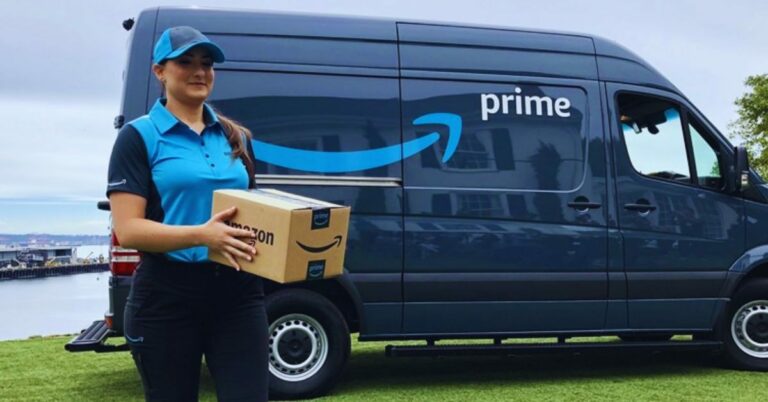
Amazon Flex lets individuals deliver packages for Amazon using their own vehicles. Drivers choose delivery blocks, which are set scheduled shifts, and get paid for every completed delivery.
The system uses an app to assign and track packages, helping drivers organize their routes and timetables. For many, it’s a great source of extra income, with the best results coming from understanding how the app works.
Success with Amazon Flex often depends on timing and availability. Most deliveries come in waves, often aligned with busy shopping periods.
But – these patterns aren’t always obvious. Sometimes, you might find yourself waiting a bit too long between blocks or scrambling when demand jumps suddenly. That’s normal, and learning your local area’s rhythm over time is helpful for maximizing your efficiency as a driver.
Top Reasons to Drive with Amazon Flex
There are a handful of advantages to Amazon Flex, which keep drawing in new drivers each month.
The first, perhaps most important, is flexibility. Many drivers like the ability to select only the shifts that fit their schedules, making it ideal for students, parents, or those holding down a main job.
Second, there’s competitive pay. Amazon Flex pays per block, and rates can be attractive, especially in areas with higher demand. Weekly payouts keep things predictable for budgeting, adding a sense of control.
Third, there’s no required commitment to drive every day. You can drive just once a week or choose to work multiple days, depending on your goals.
How to Get Started as an Amazon Flex Driver
Starting with Amazon Flex is straightforward, but there are some requirements to be aware of.
Applicants need to be at least 21 years old, hold a valid driver’s license, and have access to a reliable vehicle. A smartphone is necessary, as the Amazon Flex app manages everything from scheduling to navigation.
Background checks are standard, ensuring safety and trust in the program. The process is usually completed within a few days, but can, at times, take longer. Drivers download the Amazon Flex app and sign up with basic personal information.
Once cleared, scheduling your first block can be done on the app, so keeping notifications on will help you avoid missing new blocks as they are released.
The Best Times for High Delivery Volume
Delivery demand on Amazon Flex surges during certain periods. Holidays, Prime Day, and local sales events often mean more available blocks and higher delivery counts.
Weekends and evenings generally see the greatest need for drivers, especially in dense urban areas with a steady flow of online orders.
Participating in these peak times can result in more deliveries per shift. However, things might not always follow past patterns. Some drivers notice that weekday afternoons are also surprisingly busy, depending on where they live.
Over time, keeping notes about when you get the most blocks can help develop a routine that works for you.
Strategies to Secure More Amazon Flex Blocks
Sometimes snagging extra delivery blocks is as simple as timing, but a few additional strategies may help.
Regularly refreshing the app can show newly released blocks others might not spot as quickly. Setting your app to allow instant offers increases your chances of seeing last-minute available shifts.
Another approach is expanding your delivery radius, if feasible. By adding nearby regions to your preferences, block availability often grows.
Some drivers experiment with completing ‘standby’ blocks, where you wait near a warehouse for new deliveries to pop up. Not everyone enjoys doing that, but it might unlock opportunities in busy markets.
Optimizing Your Delivery Route and Efficiency
The Amazon Flex app includes navigation, though some drivers choose to supplement with tools like Google Maps. Familiarizing yourself with local streets and shortcuts will save you time, especially when traffic builds up.
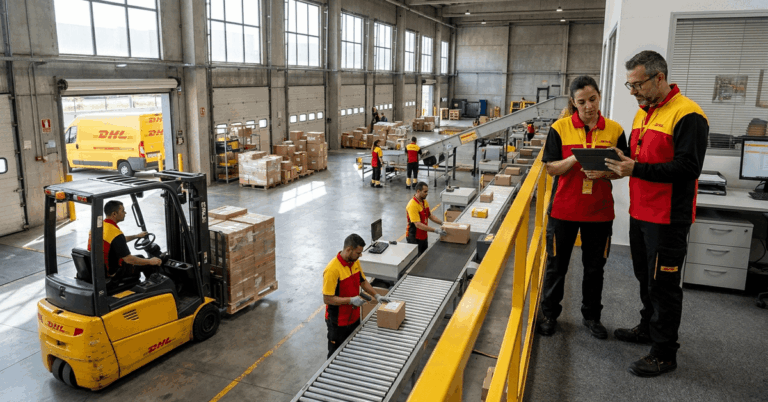
Efficient package sorting before leaving the delivery station means less time searching between stops.
Being proactive with vehicle maintenance also makes a big difference. A well-kept car is less likely to break down mid-route, reducing missed deliveries and stress.
Packing a phone charger and snacks helps maintain energy and readiness for those longer routes.
Maximizing Earnings While Reducing Expenses
Boosting income as an Amazon Flex driver isn’t always about more blocks. Route planning, fuel-saving driving habits, and choosing shifts wisely all influence your hourly rate.
Some drivers prefer busy, shorter blocks in central neighborhoods, while others do better with longer rural routes where traffic is lighter.
Tracking your mileage for potential tax deductions is smart as well. Eligible drivers in some areas can deduct mileage and certain delivery expenses. For more on this, you can check the IRS self-employed tax center for guidelines. Monitoring personal spending on gas, auto maintenance, and tolls also helps manage your bottom line.
Legal, Tax, and Insurance Essentials
Amazon Flex drivers are considered independent contractors in most places. This status means handling taxes on your own, keeping thorough records, and understanding local delivery rules.
Some cities or states require special permits or business registration, though this varies widely.
Insurance is another area to review closely. While Amazon provides a limited commercial insurance policy during active deliveries, personal auto insurance often doesn’t cover you while working.
Checking with your insurance provider about rideshare or delivery add-ons avoids issues if an accident occurs. Policy language can be tricky, so it’s worth asking a few clarifying questions, even if coverage appears fine at first glance.
Top Tips for Long-Term Success as an Amazon Flex Driver
Some practical habits separate top-earning drivers from the rest. Reviewing all delivery instructions upfront reduces surprises at drop-off.
Communicating courteously with customers, when needed, also keeps ratings high. Keeping your phone’s battery charged, storing packages neatly, and dressing comfortably make those long shifts more manageable.
It’s easy to underestimate the importance of rest between shifts. Taking breaks when needed keeps you alert, especially on days with multiple blocks. And sometimes, despite careful planning, weather or traffic throws a wrench in the works.
Resilience is part of the job, and learning to adapt, rather than chasing perfection, is what keeps things sustainable over the long term. There’s always a next shift to improve upon.
Official Resources for Further Information
For anyone wanting to learn more or sign up, the official Amazon Flex site has the most up-to-date requirements, locations, and policies. Reading their FAQs and guides offers details beyond what’s covered here, including market-specific openings and rules.
Conclusion: Achieving More with Smart Amazon Flex Driving
Driving for Amazon Flex remains a practical option for those looking to earn extra through flexible means. Whether you prioritize high-volume shifts or value relaxed, low-stress deliveries, there’s a path that fits almost any schedule.
Mastering the app, sharpening your planning, and understanding local patterns gradually leads to more deliveries and a smoother earning experience.
Like with any side hustle, results might take time to build, and some days will be better than others.
But sticking with a few routines – checking blocks at the right time, learning your delivery areas, and caring for your vehicle – are strategies that tend to pay off.
In the end, combining these tips with ongoing attention to local market trends puts any Amazon Flex driver in a strong position for continued success.