Discovering warehouse jobs in Spain that offer flexible shifts can be a game-changer. Many people search for opportunities that fit their busy routines but still bring in a steady income.
For students, working parents, or those needing supplemental work, the right job can provide both structure and freedom.



This article explores what flexible warehouse roles involve, their benefits, and how someone might maximize this type of work. Anyone curious about new employment options or exploring gig-style opportunities in Spain could find useful insights here.
Why Flexible Warehouse Jobs Are in High Demand?
Over the last few years, demand for flexible warehouse jobs has grown sharply across Spain.

The job market has expanded with more e-commerce and logistics companies entering the scene. This shift has created space for part-time and shift-based warehouse roles.
Growth of E-Commerce in Spain
Online shopping continues to climb, even in areas that once relied on traditional retail. This, in turn, fuels a steady need for warehouse staff who can work around-the-clock.
Whether it’s handling shipments for major brands or helping local businesses with their stock, variety is high.
Multiple Shift Options
Many warehouses now operate 24/7, which means a wide array of shift possibilities. Mornings, afternoons, nights—there’s a slot for almost any schedule. Sometimes employers even offer split or weekend shifts, which could give more personal time during the week.
Appealing for Different Lifestyles
Students might value early morning shifts before classes, while parents could prefer mid-day or evening hours. There’s no one-size-fits-all, and that makes these positions especially attractive. People seeking a side income often opt for shorter, flexible shifts.
Core Responsibilities in Warehouse Positions
Flexible or not, warehouse jobs in Spain follow similar core duties. Roles range from entry-level pickers and packers to more responsible supervisory roles.
No two warehouses are exactly the same, however, which sometimes means tasks can change a little from one company to another.
Typical Tasks in a Warehouse Job
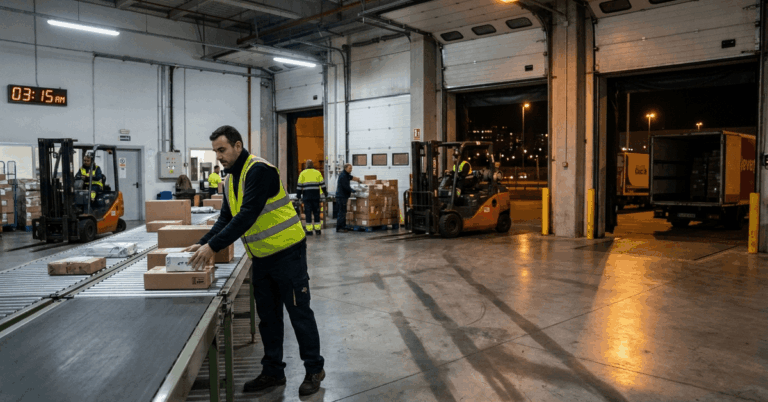
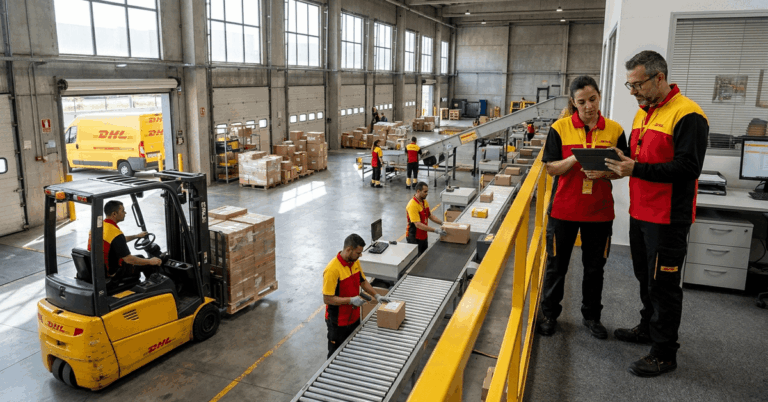
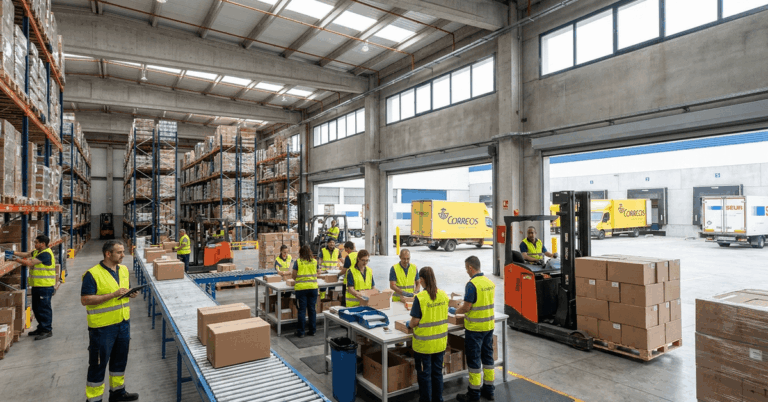
- Picking and packing products for orders
- Loading and unloading shipments from trucks
- Managing inventory, often using handheld scanners
- Labeling, sorting, and preparing packages for delivery
- Maintaining cleanliness and safe work areas
It’s not always glamorous, but it can be satisfying to see shipments finished and orders completed.
Skills That Help
Communication, attention to detail, and basic math are usually valued. Some might say patience and durability matter more, especially in busy seasons like the holidays. Prior warehouse experience helps but isn’t generally required for the most entry-level roles.
Benefits of Working Flexible Shifts in Warehouses
Opting for flexible warehouse work can bring several advantages, both financial and personal. Sometimes monetary rewards aren’t the only motivator—convenience and life balance count, too.
Balance Work and Personal Life
With flexible shifts, fitting work around other commitments becomes much easier. Parents can schedule work while kids are at school. Students have time for studies. Those with other jobs may pick up available shifts as needed.
Opportunity to Earn More
Certain shifts, like overnight or weekends, may come with extra pay. Known as “shift premium,” this can boost overall income, especially for those who don’t mind working less traditional hours. Picking up short-notice shifts can sometimes offer bonuses, too.
Improving Work Experience
Working in a warehouse can teach a lot: teamwork, organizing tasks, and problem-solving. It’s also a good entry point for anyone hoping to build experience towards a longer-term logistics or supply chain career.
Where to Find Flexible Warehouse Jobs in Spain?
The Spanish job market has a wide selection of portals and services for finding warehouse jobs with flexible shifts. While some large employers have dedicated career sites, job seekers can start with well-known online platforms.
- InfoJobs – Spain’s popular job search portal often lists warehouse positions
- Indeed España – Features a wealth of roles from both international and local employers
- Randstad – A major staffing agency that has specific listings for warehouse work
- Adecco – Another staffing brand frequently hiring for both full-time and part-time warehouse shifts
- Manpower España – Worth checking for part-time and seasonal roles
It’s sometimes beneficial to check company career pages directly—for example, logistics giants or supermarket chains operating distribution centers.
Tips to Increase Your Chances of Getting Hired
Finding the right role isn’t always simple, even if lots of postings are out there. A good strategy might improve someone’s chances at landing a flexible warehouse job quickly.

Crafting a Practical CV
Warehouse employers usually look for reliability and basic physical fitness. Highlighting team experience, punctuality, or previous similar roles helps. Even volunteering, such as organizing community events, could count as relevant experience.
Applying Widely but Thoughtfully
It could be tempting to apply for dozens of jobs at once, but it might be better to target positions that truly match one’s availability and skill set.
Some people coordinate part-time warehouse shifts with other commitments, but overbooking can cause burnout.
Preparing for the Interview
Interviewers might ask about willingness to work odd hours or previous experience with manual tasks. It’s okay to be honest about physical limits or shift preferences. Being upfront usually helps match candidates to work that suits their lives best.
Legal Considerations and Worker Protections
Labor laws in Spain protect both full-time and part-time workers, often quite strictly. However, there are a few details to be aware of with flexible shift roles in Spanish warehouses.
Understanding Your Employment Contract
Employers must provide written contracts that outline hours, conditions, and pay rates. It’s always a good idea to read these documents carefully. Some contracts might mention fixed-term employment, while others are open-ended.
Worker Rights and Social Security
Workers in Spain are eligible for benefits such as paid leave and social security. If unsure about rights or entitlements, consulting a local labor office might help. The Ministry of Labor and Social Economy (“Ministerio de Trabajo y Economía Social”) provides detailed information (https://www.mites.gob.es/).
Special Notes on Temporary Roles
Many flexible warehouse jobs are offered as short-term contracts. While perfectly legal, these jobs still require registration and proper tax deductions.
It’s important to make sure all paperwork is in order, especially for non-EU citizens or people needing a work permit.
Common Challenges and How to Navigate Them
Like any job, warehouse work with flexible shifts isn’t without some drawbacks. There can be physical demands and high activity levels, and adapting to last-minute schedule changes isn’t easy for everyone.
Handling Physical Demands
Some roles, especially in picking or loading, require standing for hours or lifting heavy items. It may help to stretch before shifts, wear supportive footwear, or take regular breaks. Not everyone finds the pace manageable, and that’s totally normal.
Last-Minute Shift Changes
Flexibility sometimes comes with unpredictability. Employers might ask for sudden availability, which could be inconvenient. Having backup plans or keeping a detailed calendar might ease some of the scheduling stress.
Language and Communication
Many warehouses operate in Spanish but may also use English or other languages, especially in bigger cities. Improving language skills—or simply being open to learning on the job—can help someone settle into a new warehousing environment faster.
Frequently Asked Questions about Warehouse Jobs in Spain
Is previous warehouse experience needed?
Not always. Many employers train new staff on the job, especially for entry-level roles. Motivation and reliability are often more important than direct experience.
What is the average pay for warehouse jobs in Spain?
Wages can vary depending on the region, hours, and shift types. In 2024, typical starting pay ranges from €7 to €11 per hour. Some roles offer bonuses or higher rates for night and weekend shifts.
Which regions in Spain have the most warehouse jobs?
Major cities like Madrid, Barcelona, Valencia, and Zaragoza see high demand. Logistics hubs close to airports and ports are also hotspots.
Can non-Spanish speakers work in Spanish warehouses?
Basic Spanish is usually required, though some international companies may accept English speakers in certain teams. Joining language classes can improve job prospects and workplace integration.
Conclusion
Flexible warehouse jobs in Spain can be a practical option for students, parents, side-income seekers, or anyone needing adaptable work hours.
Common roles include picking, packing, loading, inventory handling, labeling, sorting, and preparing orders for delivery. Job seekers should compare shift options, pay rates, contract terms, worker protections, and physical demands before accepting a role.
With good preparation and realistic expectations, warehouse work can offer steady income, useful experience, and a path into Spain’s growing logistics sector.